The world of Retro-styling
Ways the car world looks to its past.
11 months ago by Mario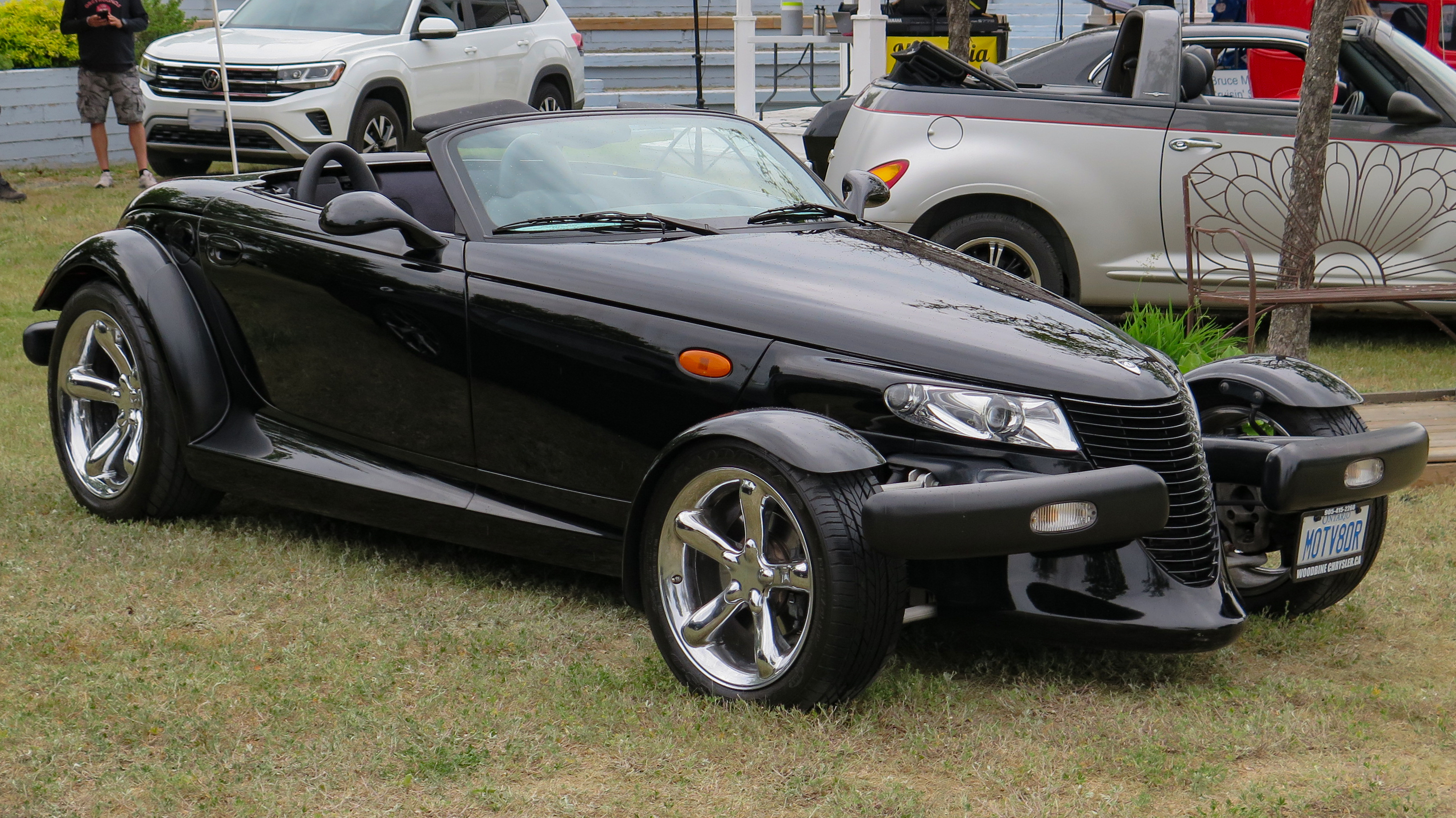
So if cars looked better in the past, why don’t we simply make modern examples look like older ones? We have better manufacturing technology and materials today than we did even 20 years ago. Well, we have been doing that for some time in the form of retro-styling.
Retro-styling or modern-retro is always fun, regardless of its applications, in order to see what manufacturers get right and wrong.
One of the earliest examples of retro-styling is the “Excalibur”. Very cool name and a very cool looking car, designed in the 60s by Brooks Stevens, someone whose career spans more than just automotive design, but more importantly, is responsible for the Wienermobile. The Excalibur was intended to be sold as a Studebaker back in 1965, and it was styled after the 1920s Mercedes-Benz SSK. It turned out that Studebaker dropped out of the project, and Stevens ended up forming a company to build it himself. Powered by Chevy 327s, in Corvette tune, it was by no means all show and no go. The Excalibur was in production until 1990, though it stumbled through the last few years of its life. The company failed in 1986, and lived its last 4 years through constant revivals. Back then “retro-styling” was not really common, and as a result, examples like the Excalibur were called “neo-classics” at the time. The term neo-classic is meant to define cars that are styled after those from the 20s and 30s, or more specifically, styling that separated the wheel arches from the rest of the bodywork.
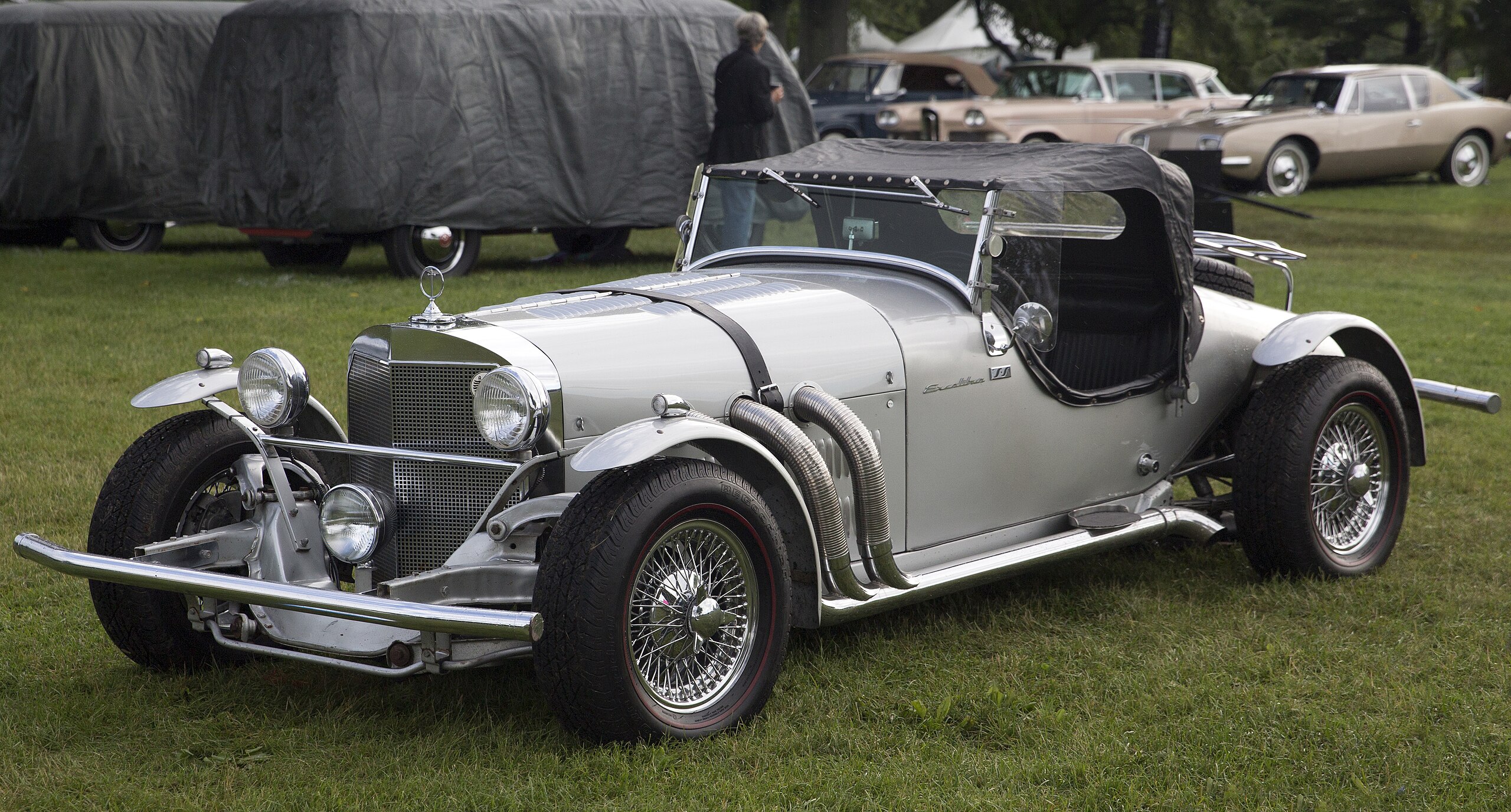
Of course, the neo-classic styling was not just a fad of the era. There are, to this day, around 30 brands that still make neo-classically styled cars. They are bespoke, handcrafted, low-volume production vehicles. I must make a short mention of Mitsuoka here, since they made the “Le-Seyde” a Nissan Silvia S13 styled to look like a 1920s car that a cartoon villain would drive. Mitsuoka is one of the most interesting car companies, and they are still around.
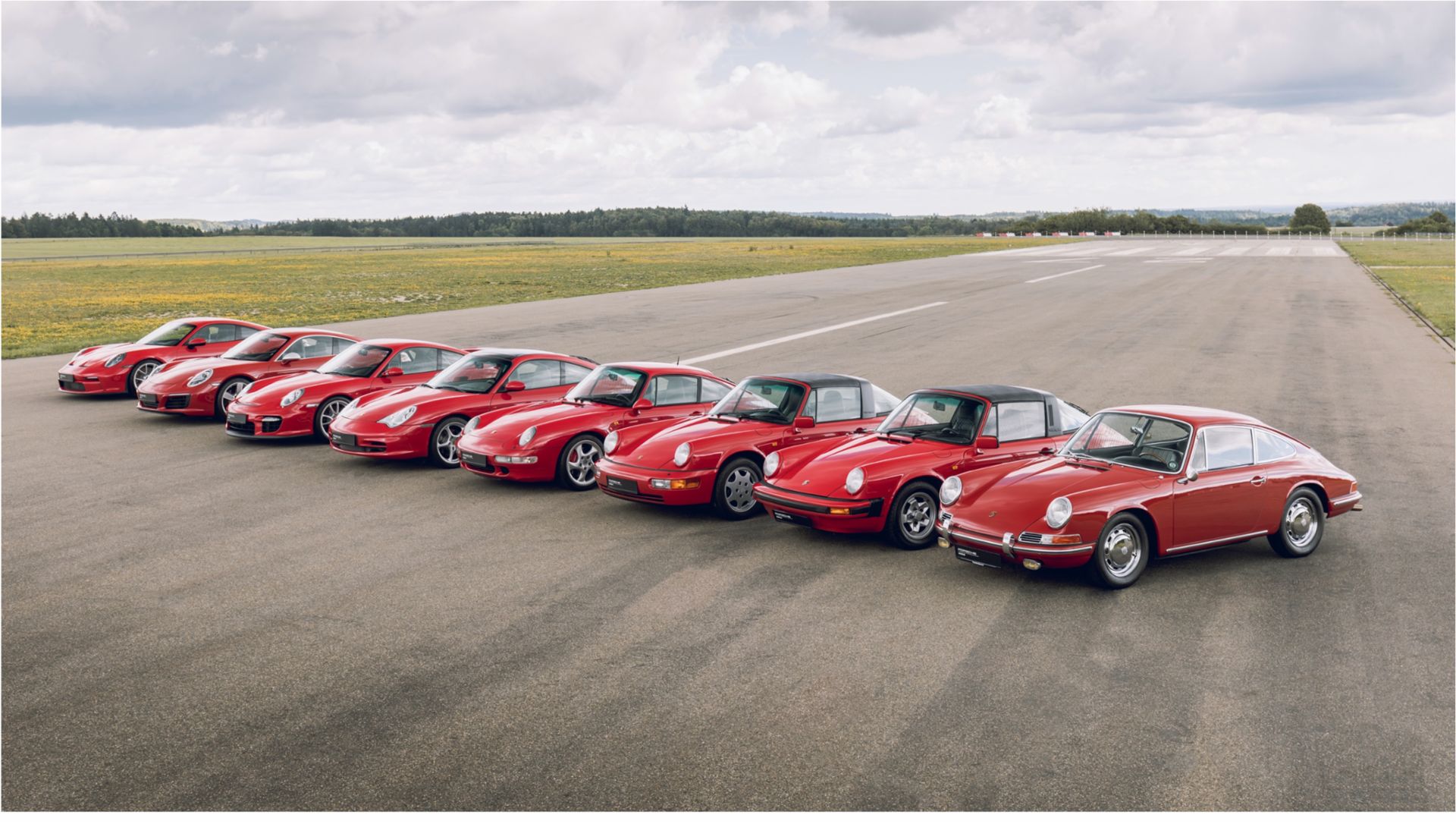
An interesting aspect of retro styling is when a car simply has not changed through the ages. A perfect example would be the Porsche 911. Modern 911s don’t evoke the 1964 cars as much as they are their continuation. They’re simply engineering improvements over the years, built on the same concept. More examples of this never-changing styling can come from boutique manufacturers that make such small volumes of cars that the rules with regard to safety requirements are much less strict for them. As a result, companies like Caterham and Morgan, two very niche, low-volume production companies, make sports cars that look like they came straight out of the 1970s and 1930s. Unlike the 911 which modernized its accommodations for the passengers, cars like Caterham and Morgan are virtually identical in their driving experience as their 1970s and 1920s ancestors, respectively.
As a small tangent on this idea of continuation, there are cars like the Jaguar D-Type and the DB4 GT. Those two examples are probably the most well-known cases of a car manufacturer going back to remake one of their old models, thanks to their appearances on the Grand Tour. However, they are not the only ones. I think this answers a question many people who don’t know how cars are built often ask. Specifically, “Can’t they just make it like they used to?”. Yes, they can, but with a pretty gigantic, 7-figure asterisk attached.
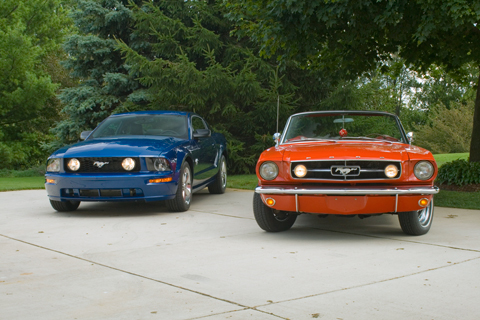
The line between retro styling and incredibly long model runs can have some pretty interesting side effects, such as the Ford Mustang. Originally, a car born during the 1960s, the golden age for American Muscle/Pony cars, it has been made non-stop up until today. With each new model generation, the styling changed, reflecting the trends of its time. All this came full circle with the introduction of the 5th generation Mustang, which was launched during an era of booming interest and prices in classic muscle cars, and with car manufacturers following that trend. This resulted in a 21st-century car that maintained a continuous link to the first-generation model, closely resembling its 1965 predecessor.
Another example of going full circle is Nissan’s Fairlady Z series, with the latest model drawing heavy inspiration from its earlier generations. The Z cars also feature a retro-inspired touch in the interior. If you look at the interior of a 350Z, you might notice three gauges in the middle for battery voltage, oil pressure, and a clock. I’ve seen people confused by the inclusion of these three gauges, thinking they are pointless. In reality, they are a nod to the first generation of Z cars, showing the same information with the same layout. And yes, the newest and retro-styled Nissan Z retains these gauges, but without displaying the same information. Since the RZ34 is the first Z car to come turbocharged from the factory, oil pressure and a clock were replaced with turbo speed and turbo pressure readings. Here’s hoping the next generation of Z cars will take cues from the Z31’s retro-futuristic interior, if Nissan manages to survive.

Some car manufacturers have reminded us of their past work by resto-modding old cars with EV powertrains. There is the very well-known example of Hyundai’s Grandeur EV alongside its slightly lesser-known brother, the Pony EV. Hyundai took each example of these older cars and converted them into retro-futuristic EVs. There were plans for a third sibling to these two, the Galloper EV. Sadly, it was quietly cancelled. Another manufacturer that did this more recently, to the dismay of some fans, was Nissan, with their EV-powered Skyline R32 GTR resto-mod in the 2025 Tokyo Auto Salon. People were shocked by the prospect of gutting an RB26, one of the most beloved engines, out of a Skyline. There are other examples of car manufacturers doing these showcases of their own resto-mod works, but before moving on, I feel obliged to mention the R17 Showcar. One of the most drop-dead gorgeous vehicles you might ever see. If some genie told me I could ask for any EV in the world as my own car, it would absolutely be that.
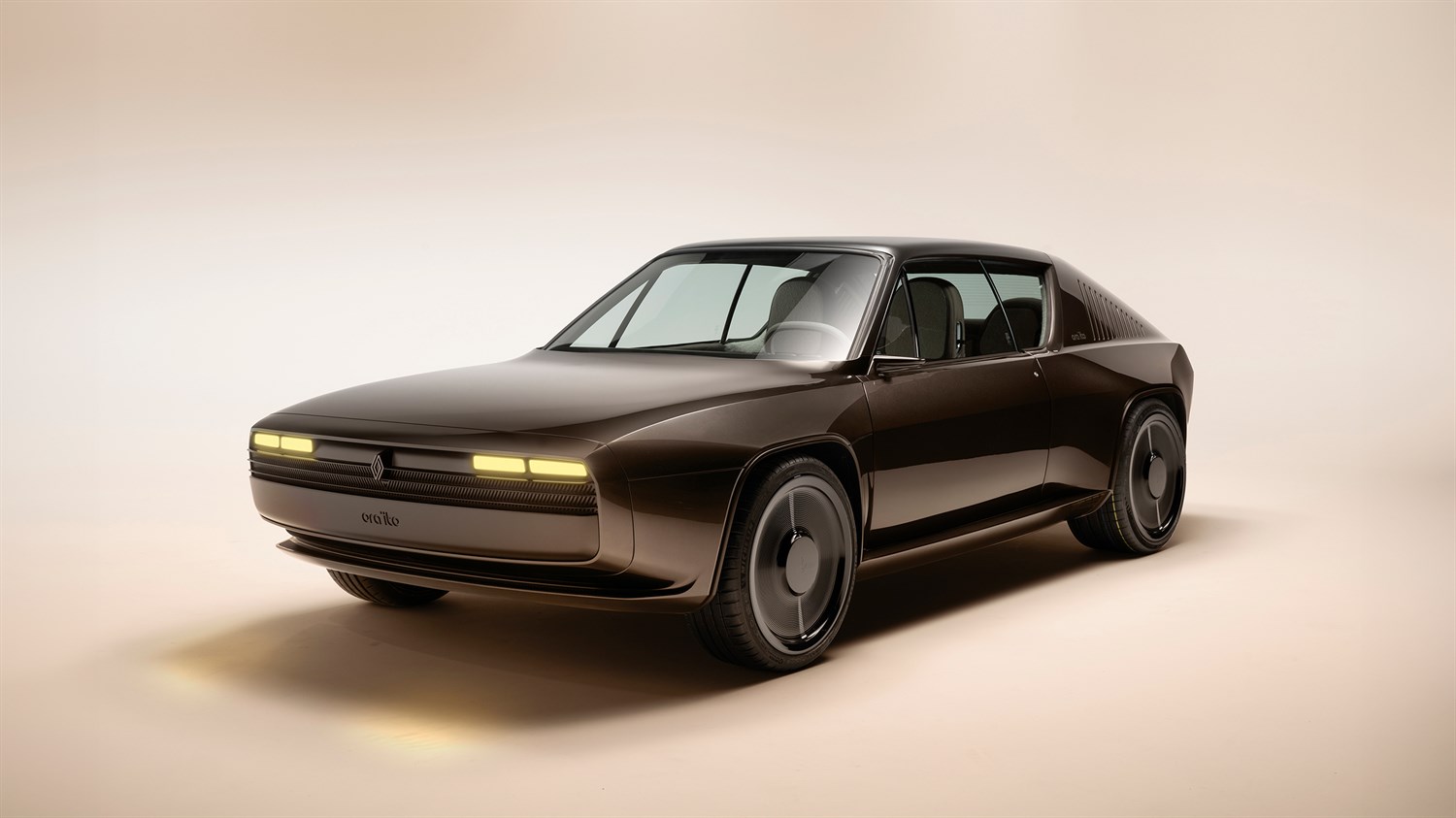
Car manufacturers are not alone in electrifying old versions of their vehicles to bring them the age of electric motors. A lot of small companies around the world offer EV conversions of classic cars, from Minis to 911s or even Ferraris. The act of electrifying classics is seen as controversial among many car fans. In a way, it’s seen as killing the car’s “soul” or whatever they want to call it. As you can imagine, this service tends to be aimed at people who have very deep pockets, since the entire ordeal does cost lots of time, money, and engineering. By the end of it all, you get to have a daily-drivable classic with a lot fewer worries with regard to a priceless part of your running gear breaking. I do like the concept, but I do hope it is reserved for examples that are impossible to repair, since it would be a shame to see classics in working condition chopped up and electrified.
On the other end of the spectrum, there are retro-styled modern EV cars. Some of the more well-known examples are the Renault 5 EV, the Fiat 500e, the VW ID Buzz, and the Honda e. Including the Fiat 500e does feel a bit like cheating, since it has been around since the mid-to-late 2000s and seemingly shows no signs of stopping. Meanwhile, the Renault 5 EV, styled after the classic R5, also nicknamed “Le Car”, is successful in the European markets and it seems to be on the receiving end of glowing praise. It is my favorite EV for sale right now. An interesting retro-styling inspired element of the R5 EV can be found in Alpine's sister car, the A290, intended as the hot hatch version of the R5. It retains the classic Renault 5 bodystyling, but it also can’t help but reference the classic A110 style of rally headlights up front and curvier rear doors, referencing the A110s engine intakes. As a result, you have an amalgamation of styling, that takes cues from two different classic french cars. The Honda e used to be my favorite small EV for sale before Honda took it off the market due to terrible sales. I am quite fond of the first-gen Civic-inspired styling and I am hopeful that the Super EV concept succeeds where the Honda e failed.
Retro styling has gone from being a niche sub-genre of car-making to an entire industry. When you look at the number of retro-inspired cars that are for sale today you realize how prevalent this sector of the automotive market is, and not purely out of nostalgia about the good old days.
The Fiat 500, mentioned earlier, was a gigantic success for Fiat. It remains a strong seller to this day. It was such a bestseller that the then FCA(Fiat-Chrysler Automobiles) ended up making a crossover variant of it in the form of the 500L and X, two cars that answer the question: “What would a classic Fiat 500 look like if it was inflated and bloated to all hell?” Another example of retro-styling based on a classic small car is BMW’s Mini. The classic British Mini was designed in the late ‘50s and remained in production until 2000, without any major aesthetic changes. When BMW took over Rover Group, they made their own successor to the Mini. This resulted in the new German Mini having retro-styling inspired by a car that was for sale just a year prior to its release.
_02.JPG "It cannot be overstated how much of a success the Fiat 500 re-imagining was for Fiat.")
On the topic of retro-styled cars that came out shortly after the original vehicle ended production, I should mention the VW New Beetle. The New Beetle, as the name would suggest, is styled after the original VW Beetle, with its bubbly shape and round headlights, based on the Golf platform. Unlike the New Mini however, the New Beetle started production while the old Beetle was still being made. It went on sale in 1998, and the car it is inspired by stopped production in 2003. And yes, that does mean that the original Beetle was in production for more than half of the 20th century. It existed before the World War II began, and ended more than a decade after the Berlin Wall fell. Thankfully unlike other retro-styled re-imaginings of classic compact cars, the New Beetle didn’t survive long enough, or perhaps wasn’t popular enough. Therefore it never got a crossover variant, like the Mini Countryman or Fiat 500X/L, ending production in 2019.
However, retro-styling wasn’t always a success. I think the most commonly disliked retro-styled car is the Chrysler PT Cruiser, a car that is generally seen as a joke or just plain ugly. I might be one of the few people who think it is fine, if a little boring. Unfortunately, it seems like the majority of Cruisers are now either gone, or limping around as passenger cars-turned-makeshift vans, slowly rotting away. They appealed to a generation that has either passed or is too old to drive. As a result, they are bought cheaply by people who do not care about them or can’t afford anything better. I get a bit excited when I see a PT Cruiser these days, because they’re becoming increasingly rare. Fun fact, my mum always liked them, so I’m probably biased in my tolerance for them.
Another hit-or-miss example of retro-styling is the Chevrolet SSR, a retractable hard-top pick-up truck. It has a lot of detractors, but I absolutely love it. It is a pointless vehicle, a pickup truck with a droppable roof and a erformance V8 up front? That sounds like a good time to me. Not everyone agrees with my objectively correct opinion, however, and that has resulted in the car being a bit of a Marmite car, with people either loving or hating it.
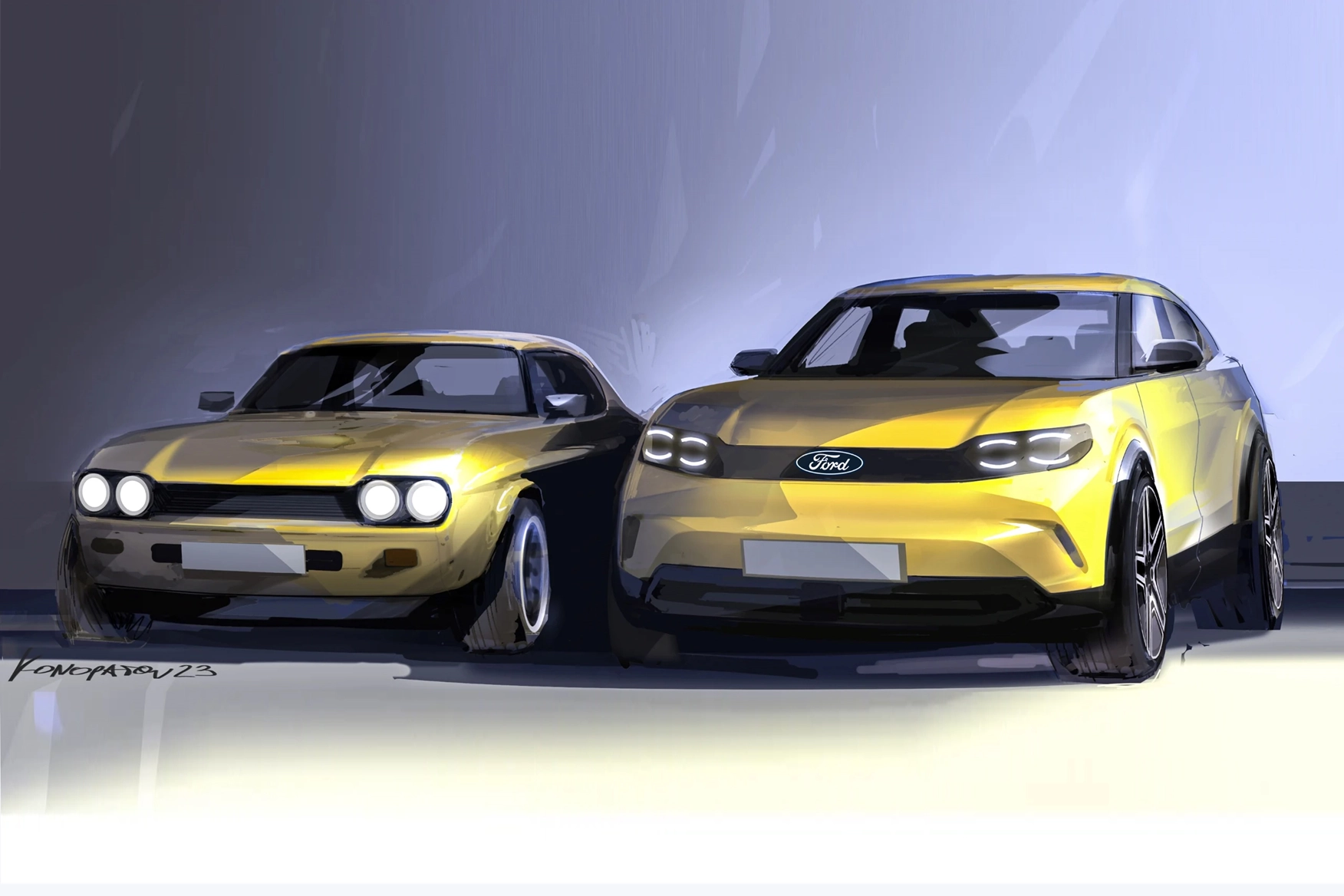
When talking about attempts by car companies to invoke the past, we can’t forget times when names are brought back and given to cars with absolutely nothing to do with the originals. The most heinous example of this, in my opinion, is the Ford Capri. I have zero emotional resonance with the original Ford Capri, and I never wanted one. But even so, you cannot deny the fact that it is one of the coolest looking cars of its time. An affordable, two door, European imagining of a muscle car, or if you are Australian, a funky, pop-up headlight MX-5 competitor. Bringing back the name and stamping it on an electric crossover SUV is such a confusing move because absolutely everyone will see through the attempt to just cash in on nostalgia. The trend of naming new cars after old models is another way companies try to bank off on their own heritage and customers’ nostalgia. Ford isn’t alone in doing this, but they’re arguably the most blatant abuser. Although, I might also simply feel insecure in the way the future world of cars is shaping up to be hence why I am being a bit too harsh. If a present-day Capri is represented by a slightly sporty electric SUV, then will every car end up being an electric SUV, and the only difference is the pre-programmed throttle response? That does not sound like an enjoyable future when it comes to motoring to me.
In addition to the Capri, Ford did it again with the Puma and the Mustang Mach-E, both cars that are originally two-door coupes, transforming into crossover SUVs. The only other company that has gotten close to Ford’s misrepresenting of model names is Mitsubishi, with its Eclipse Cross, by turning a once affordable and fun sports coupe into a monstrous SUV.
Credit where credit is due, there have been times when nameplates have returned on accurate modern equivalents. Ford managed to turn nostalgia into money with their Bronco nameplate, helped no doubt by its handsome, retro-styled body. Other examples include the late 2000s retro-styled muscle cars, like the 2008 Dodge Challenger and the 2010 Camaro. Dodge also brought back the Charger name, but on a sports sedan instead of an intimidating muscle-car styled body like the original. We can’t pretend that the US is the only automotive market that does this. Toyota named their sports coupe built in cooperation with Subaru the “GT86”, evoking the sought-after Corolla AE86 of Initial D fame. It also named its sporty coupe built in cooperation with BMW the “Supra” evoking the MK IV of Fast and Furious fame. There are some odd parallels between those two.
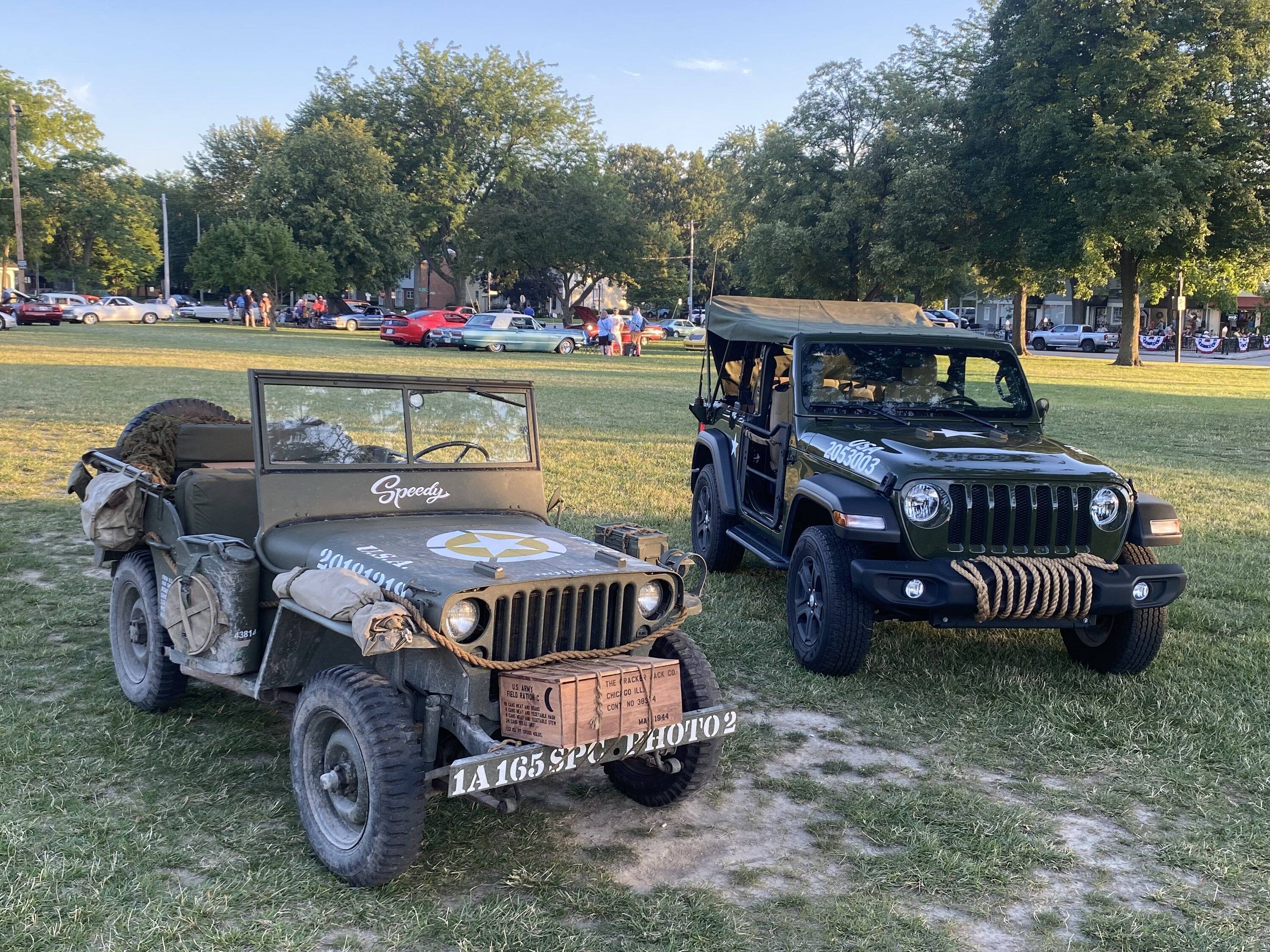
We cannot discuss the act of building a brand image on nostalgia without naming the brand that does it more than anyone else: Jeep. I understand why some people buy Jeeps; they are a pretty easy way to buy into a community. You will see other Jeep drivers and share a bond with them because you both made the same choice. You both chose a vehicle with circular headlights and a vertical front grille (sometimes) that has a strong history. There's something nice about feeling like you're part of something bigger, and the camaraderie that comes from complete strangers. I personally am a fan of the “Jeep Duck” trend, where Jeep owners leave personalized rubber ducklings for each other in a gesture of appreciation for someone’s vehicle. With all that being said, I have a deep dislike for how Jeep/Stellantis manipulates its customer base, by selling them sub-standard vehicles and convincing them that they are buying into something with true heritage. I recently happened to get behind the wheel of a Jeep Renegade, and while there is a lot I could say about it, I will stick to the subject at hand. The car constantly tried to remind me of the fact that it is a Jeep, even though I was aware it was just a Fiat 500L in a different body. It just felt insecure. I don’t need writing on the middle of the dashboard saying “Since 1941” and constant motifs of 2 round headlights and vertical grilles. I am aware Willys helped win The War, and I am also aware what I am driving is not a war winning machine. I know this might be a very quick way to dismiss an entire brand based on a single encounter, but from what I have read and seen, all Jeep models try to convince you in the same ways. I am willing to accept the Wrangler is a pretty decent vehicle from what I have heard, and I would be willing to drive one, especially if I got to remove the doors. But that’s about it.
The problem with car companies trying to recapture the magic of their past or revive the qualities that once made them desirable is that times have changed too much for them to be able to do that. For example: the late 1990s to early 2000s found the perfect balance of car features: they had modern conveniences like ABS, fuel injection, gear synchros, and so on, that made them easy to live with, but they were still built in an era with relatively relaxed safety regulations and unobtrusive technology. It was the only era where analog driving had just enough modern reliability, before technology consumed most of the joy out of driving. The result is cars that are not choked by emissions regulations or outdated carburetor technology, while also being light enough to be fun and fuel efficient. The automotive environment has changed too much to genuinely recapture some of the car worlds greatest hits from the past, and that is just one example from one era that is no longer possible. Here’s hoping future material technology or energy storage methods will make cars light and fun to drive again.