Western Kei-Cars
Some of the quirky and coveted Japanese cars that broke out of their homeland
one year ago by Mario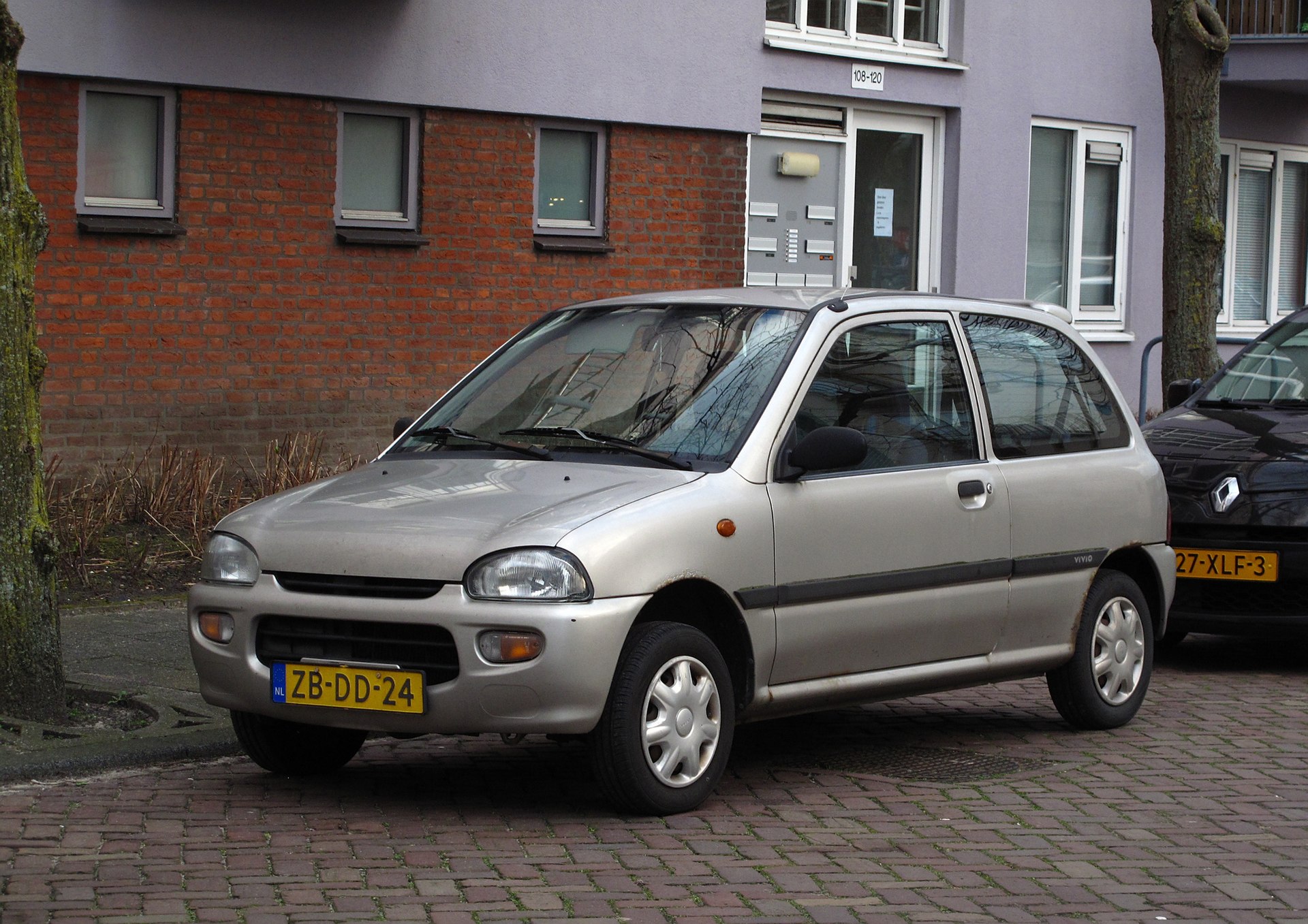
Kei-cars have, and probably always will be, a fascination for Westerners, especially in the case of America, where things are always bigger, and the mantra of their cars is “Bigger is better”. Despite their general elusiveness in any market outside of Japan, some kei-cars did manage to end up abroad, not just in the form of gray or personal imports by people who wanted to go through the hassle just to own something one-of-a-kind, but officially, through the manufacturers themselves.
Today I would like to list some kei-cars that not only managed to find themselves outside the land of the rising sun, but also ended up in left-hand drive. These cars were models produced for their markets. This will be by no means an in-depth list of every single kei-car sold abroad, more of a short overview of some examples.
It is worth mentioning that I will be excluding exports to other Right-hand drive markets, since the focus of this is going to be on times Japanese manufacturers went ahead with production lines dedicated to turning their domestic market Right-hand drive offerings into Left-hand drive ones. Therefore, I will not be counting Australia, New Zealand, and India as “export markets”. The list will be arranged per manufacturer, with no specific order.
Suzuki
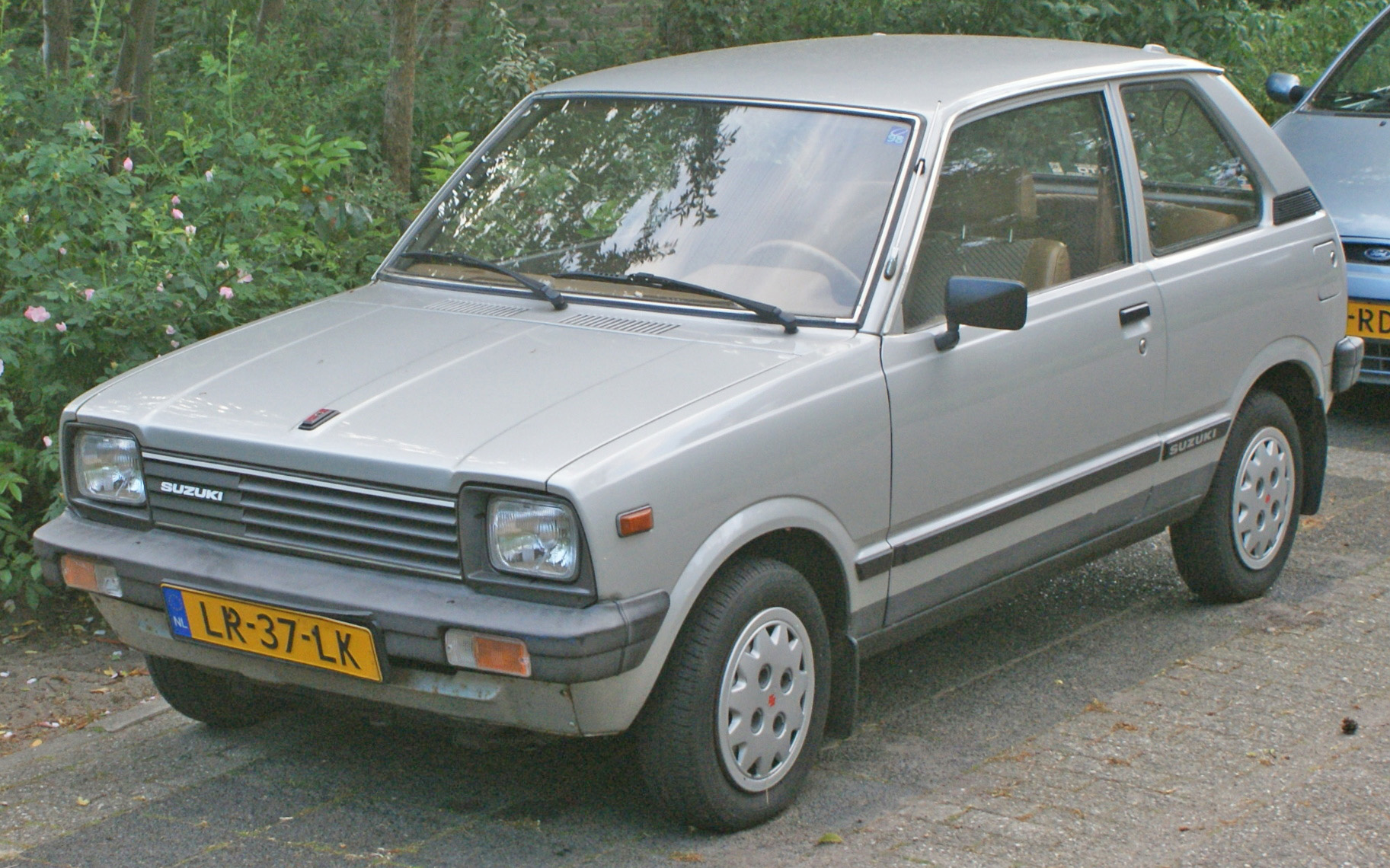
Alto: The Suzuki Alto, beginning in 1979, was originally one of the first practical kei-car options from Japan. It offered more cargo room and folding rear seats, powered by a 2-stroke 3-cylinder engine and sold for a mere $1,900 in Japan.
We would see it, one generation later starting in 1984, make its debut in the European LHD market. This Alto was essentially the same shape and size as its kei-car equivalent, with the only difference being a bigger engine, to comply with the faster European highway speeds, and larger bumpers. The Maruti 800, an Indian-built spin-off of the 2nd generation Alto, was for sale in Europe until 2004.
The Alto then diverges from the kei-car version, which essentially disqualifies it from this overview. The next 5 generations of the Alto that would make it to the European market were all Maruti-Suzukis rebadged as Suzuki Altos. The Alto stopped being sold in Europe in 2014, with the last generation model also existing as a rebadged Nissan Pixo.
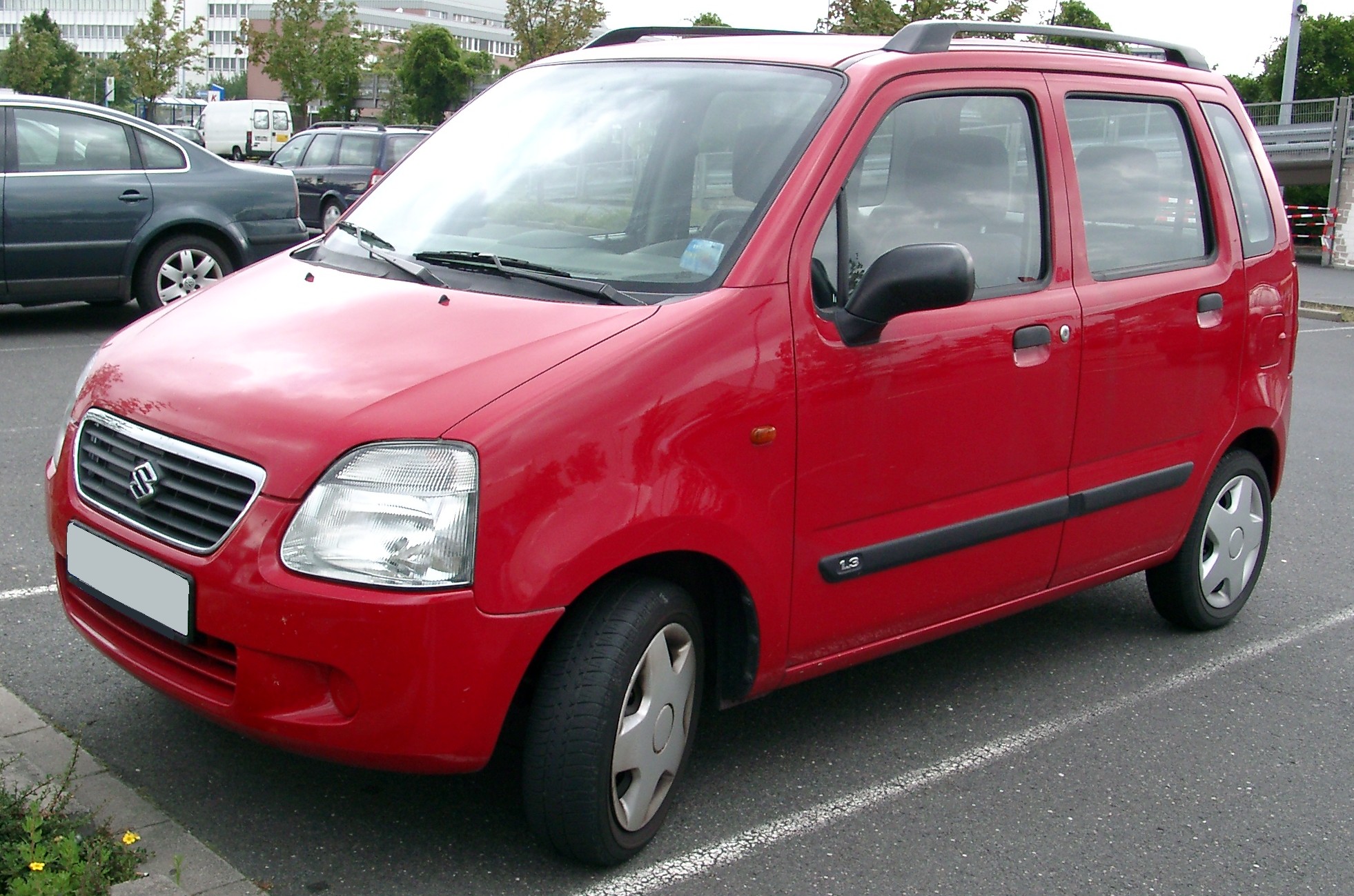
Wagon R: Sticking with Suzuki, the Wagon R was originally a mini MPV kei-car. Introduced in 1993, it shared its dimensions and engine with the same generation of Alto. The Wagon R would end up becoming the single best-selling kei-car in all of Japan starting in 2003. Τhe first generation serving as a prelude to that success, with it being an unexpected success for Suzuki, selling 900,000 cars.
Suzuki ended up making and selling a widened version of the Wagon R, named the Solio in the Japanese domestic market. It began sales in 1997 both in-country and internationally. The most amusing fact about the “Wagon R-Wide”, or “Wagon R+” as the first-gen Solio was called in Western markets, is that it retained quite a bit of the kei-car styling...just bigger.
The WagonR+, from 2000 to 2007, co-existed in the European market, with a badge-engineered version, called the Opel Agila, which was built in Opel’s Polish plant. They were the exact same car but there was a difference in powertrain options. The Opel variant offered exclusively Opel engines and transmissions, instead of any of Suzuki's. The majority of the European WagonR+ models were built in Suzuki’s Esztergom plant, in Hungary. The WagonR+ would not last as long as the Alto in the European market, sadly. It would end up being sold until 2010 due to stringent NCAP requirements, and replaced by the joint Opel and Suzuki designed “Splash”.
Daihatsu
Cuore/Mira: What I would consider the king of imported kei-cars, Daihatsu was bringing tiny Japanese cars as left-hand-drive vehicles in the West for a while. The first one I am going to be mentioning is a bit of a naming nightmare, having had an insane number of names depending on market or even generation. Ultimately what matters is that the Daihatsu Mira/Cuore or whichever name you’d like to call it by was almost unchanged from its kei-car variant when it landed in European and other LHD markets. The only differences aside from the obvious wheel placement were that the car itself was slightly larger, likely for more interior space, and also offered engines with nearly an entire liter of displacement. I would go into detail per generation, but there were just so many, it would take too long to do so. It is worth noting that Daihatsu stopped operating in the European market since 2013. This means any model year or generation after that is not available there. If you are in Europe and for whatever reason want to own a kei-car just for the experience, there seems to be no need to go through the effort of importing one from Japan, or paying a premium to buy one off of someone who did. Instead, go find a Daihatsu Cuore and live the kei-car experience while still having LHD, the ability to go on the highway with a whole liter of displacement, and paying less than just the shipping costs of a JDM equivalent.
Copen: My other mention from Daihatsu would be their most interesting choice. Daihatsu decided to try importing a car that was in a niche category back home, the kei sports car, in a market where even he tiny city car was already more of a fascination than a common purchase. The result is the Daihatsu Copen, to my knowledge, the only LHD-available kei sports car. The Copen didn’t see a LHD model until 2005, but even before that, it was sold in its full, unaltered RHD kei-car form in the European market by Daihatsu themselves. After 2005, it got left-hand drive and a 1.3L engine, which was only available in the European-market Copen. This engine would also appear in some other exported Daihatsu models, and some Toyotas as well. Notably the Scion xB, an attempt by Toyota to bring a very common JDM-style car, the mini-MPV, to the US. Also worth noting is that the Copen actually had a retractable hardtop, a feature that is generally reserved for more premium cars. It ultimately met the same fate as the Cuore, leaving the European market alongside Daihatsu’s entire lineup due to its withdrawal from the continent because of financial strain and declining sales. Thankfully, the Copen is still in production to this day, exclusive to the Japanese Domestic Market. Incredibly, it is the only kei sports car still standing.

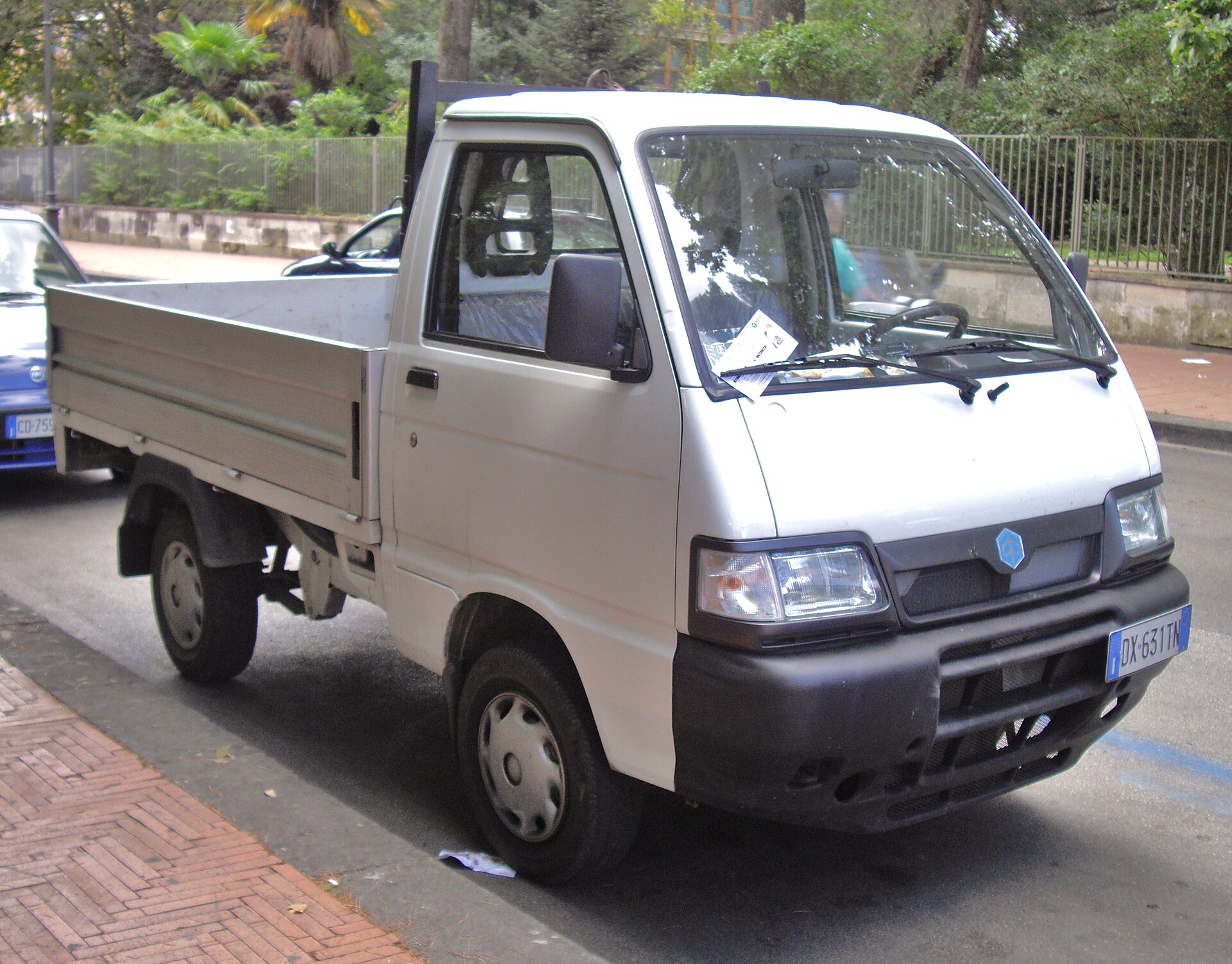
Piaggio Porter: Wait what? I thought this was Daihatsu cars, what is Piaggio doing here? Well the 7th generation Daihatsu Hijet was a joint venture between Piaggio and Daihatsu to make a vehicle with kei-van dimensions to be sold both in Asia and Europe. The European version had the same dimensions as the kei-van spec Hijet, but it came with larger displacement engines and LHD. What is interesting to note is how far the Porter version of this van outlived its Hijet twin. With the 7th gen Hijet ending production in 2002, the Porter kept going until 2020, when it was finally replaced by the 2nd-gen Porter, built by Piaggio cooperating with Chinese manufacturer Foton Motor.
Subaru
Rex: The first car from Subaru on this list, the Rex didn’t land on European shores with its steering wheel on the left until its second generation, starting in 1981. Ultimately, the Rex would see two generations of LHD sales, from the start of the second generation in 1981 until the end of the third generation in 1992. The Rex wasn’t a major success in its ventures into the European market but it could be seen as an experiment by Subaru to gauge demand for a kei-sized car among the European buyers. As an interesting aside, the Rex nameplate is used today to sell a rebadged version of the Daihatsu Rocky, a crossover SUV.
Vivio: The Vivio was the direct follow up to the Rex. If I’m being honest, this entire write-up was directly inspired by the Vivio, since I wanted to look into how many other kei-cars managed to make it to the European market in LHD form. Hence the focus on European markets, despite China also driving LHD cars and having many of the cars mentioned on this list also available for sale in its market. The Vivio launched in 1992 and is the only car on this list that was sold nearly unchanged in the European market, aside from the steering wheel being on the left side. The Vivio was also the only exported kei car of its era with a fuel-injected engine, while its contemporaries used carburetion in their export models From what I could find, however, the two most interesting trim levels of the Vivio didn’t make it to the European market. The supercharged RX-R and the quirky T-Top seemingly only existed as RHD models. The European market did, however, get both the E-CVT transmission on one of the Vivio’s trim levels and a 4WD version. Makes you think, how expensive would it be to get an RX-R engine and drop it into a 4WD LHD Vivio…
Despite the European LHD market seeing quite a few kei-derived cars from Japanese manufacturers, it seems like getting ones with actual specs close to their JDM counterparts wasn’t as common as I originally thought. Even today, Suzuki offers cars like the Jimny, but it doesn’t offer the kei-car–sized engine option in the international markets where it’s active. Also worth noting: if for whatever reason you decide to start looking for European kei-cars, watch out for rust. Many Japanese cars from the ’80s and ’90s weren’t prepared for the harsher European winters and salted roads. Add to that kei-cars generally having very thin metal panels, plus Japanese metal quality not being the best during that era, and it’s no surprise many of these cars are no longer around due to catastrophic rust. I did once hear a story of a Vivio having a hole so large, you could see through the car onto the asphalt below.