Yamaha’s forays into the car world
Some of the times the motorcycle manufacturer to enter the world of cars.
11 months ago by Mario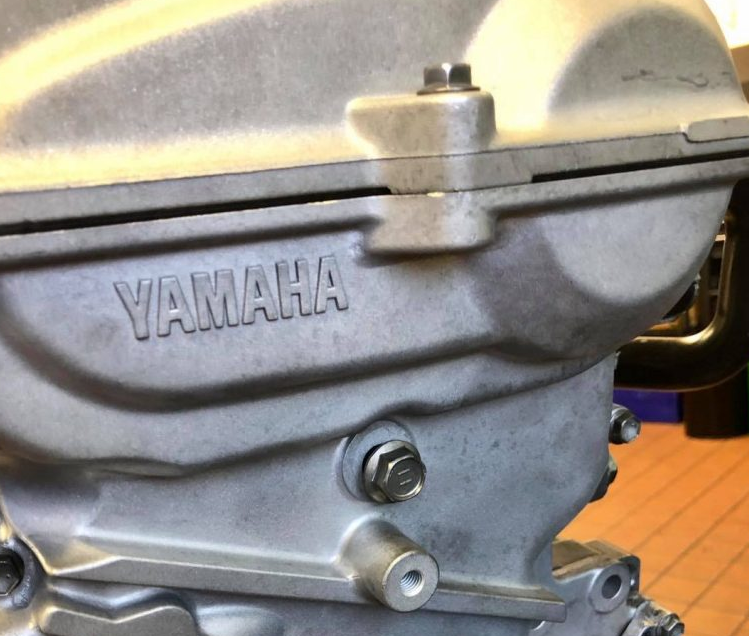
If you are into motorcycles, musical instruments, jet skis, or snowmobiles, you are probably familiar with Yamaha Motor Corp. The Japanese giant with origins as far back as the 19th century, created with the purpose of making musical instruments. Hence their logo of three interlocking tuning forks, regardless of the Yamaha product you are buying. In the car world, Yamaha is perhaps most well known for their work on car engines. Perhaps their most high profile work on car engines is them entering the Formula One world championship as an engine supplier for almost a decade, from the 1989 season until the 1997 season. It didn’t really set the world of F1 on fire. Yamaha would return to the world of four wheeled motor-sports in 2024, powering the Lola Formula E team, where they similarly didn’t shake the world.
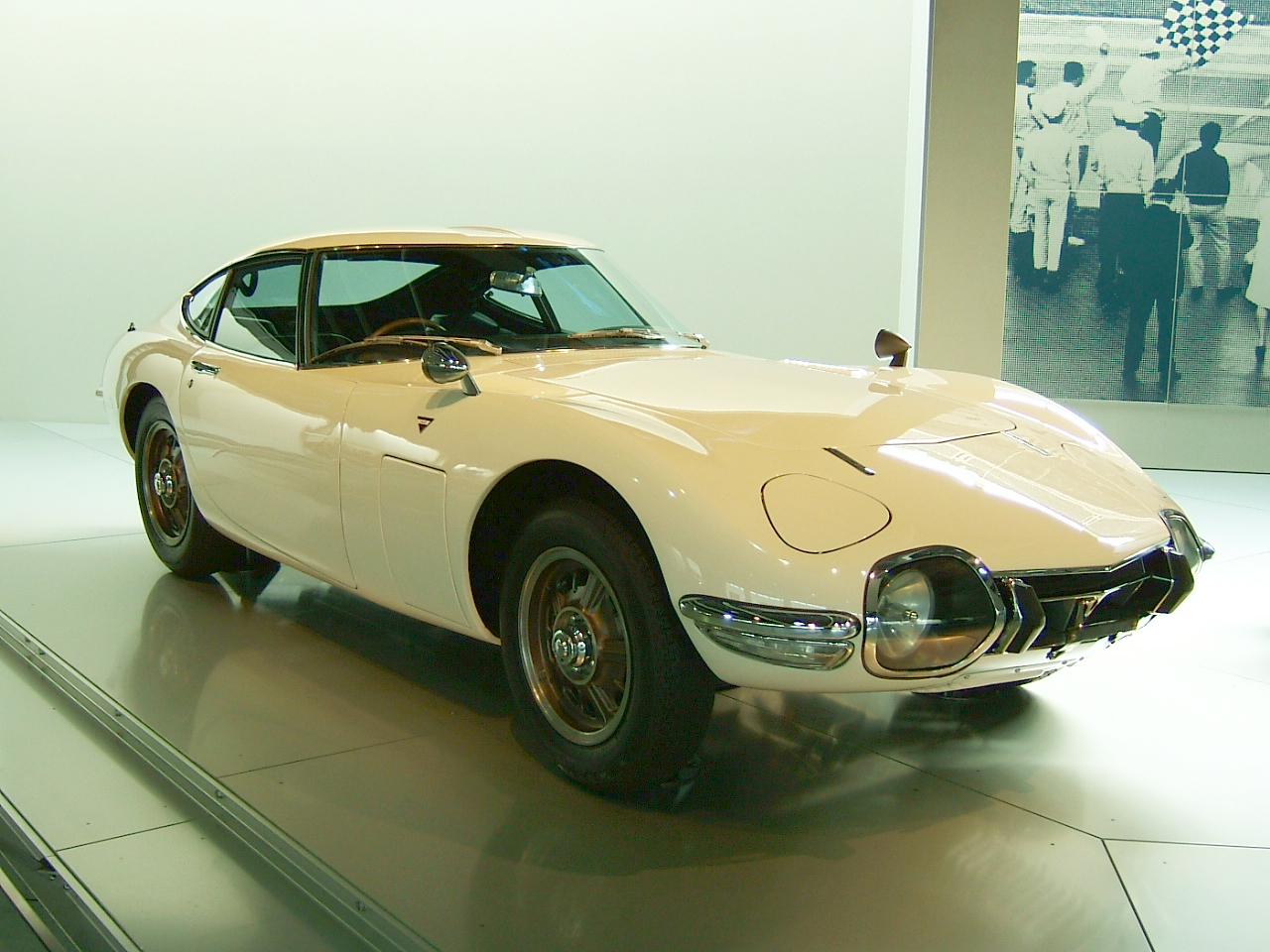
The most interesting brushing with the car world Yamaha had was probably one of their earliest ones. It was the closest we had gotten to Yamaha becoming an actual fully fledged car manufacturer. The story goes, in the 1960s, that Toyota wanted a halo GT car for their brand line-up, seeing every other car manufacturer offering something similar. As it happened, Yamaha, which had to close their automotive R&D facilities, where willing to work with established automotive manufacturers in order to create cars, something they couldn’t afford to do by themselves. After approaching, and being turned down by Nissan, they turned to Toyota. Toyota, wanting to be taken seriously in the international stage, and also wanting to shed its conservative image, accepted Yamaha’s proposal, and thus the Toyota 2000GT was born. Other than the design work on the car itself, Yamaha also modified a Toyota Crown engine, to give the 2000GT its beating heart. By giving the 3M engine bigger carburetors and double overhead cam heads, they turned a conventional low displacement straight six, into a sporty, rev-happy engine worthy of a halo-car. Last but not least, Yamaha built the cars in its own factory. From 1967 until 1970, around 350 2000GTs were built in Yamaha’s Iwata factory. It is not hard to imagine Yamaha getting a taste for car making from this encounter and deciding to fire up its automotive R&D department again. It did, however, mark the beginning of a long term cooperation with Toyota. In the end the 2000GT didn’t really make any money for Toyota, existing mostly as a halo car, which weirdly enough draws an interesting parallel with another Toyota-Yamaha collaboration….
Toyota would call upon Yamaha again to help with their cars, except instead of having them design and build cars for them, this time they simply collaborated on designing engines. An early example of this collaboration happened in the early 70s, with Yamaha providing twin-cam heads for the 18R-G engine, found in GT 2000 variants of some 1970s Toyota models. The 4A-GE engines are the most well-known examples, with Yamaha developing the cylinder head, valve train, and generally the upper half of the engine, ensuring it can safely rev up to and beyond 7,500 RPM. If you don’t know anything about cars but think you might’ve heard of this engine, it might be because it is the engine that powers the all-popular AE-86.
.jpg "The 4AGE powered many high performance Toyota models, including the AW11 MR2 and the AE-86 Corolla")
Before working with Toyota again, Yamaha would answer the call of another gigantic car manufacturer, except this time it was not Japanese. Ford and Yamaha made a deal for Yamaha to develop, build and supply Ford with 3.0L DOHC V6s for the performance variant of their standard sedan, the Taurus SHO. The V6s were provided until 1996, when the Ford Taurus entered its third generation, as did the SHO variant. The new generation SHO also had a Yamaha touched engine, this time a 3.4L DOHC V8.
It wasn’t only American Fords that had their engines developed by Yamaha however. Over in Europe, Yamaha would help the European Ford division with developing an I4 engine. The Zetec SE series of engines where co-produced between Ford of Europe, Mazda and Yamaha. With Mazda working on the design of the engine block and Yamaha working on what they seemingly do best, the cylinder heads, combustion chamber and high-revving focused port designs. The end result was an all-aluminum engine that debuted in the 1995 Ford Fiesta Mk4 in the European market. Perhaps not as exciting of an engine as the V6 and V8 SHO power-plants or the 4AGE, the Zetec SE would get a 1.7L variant in the sporty, Fiesta based Ford Puma, with a 6,3k redline and 155hp. The Zetec SE series where more focused on efficiency than sportiness overall, and used Yamaha’s knowledge of lightweight materials rather than their knowledge of tuning engines.
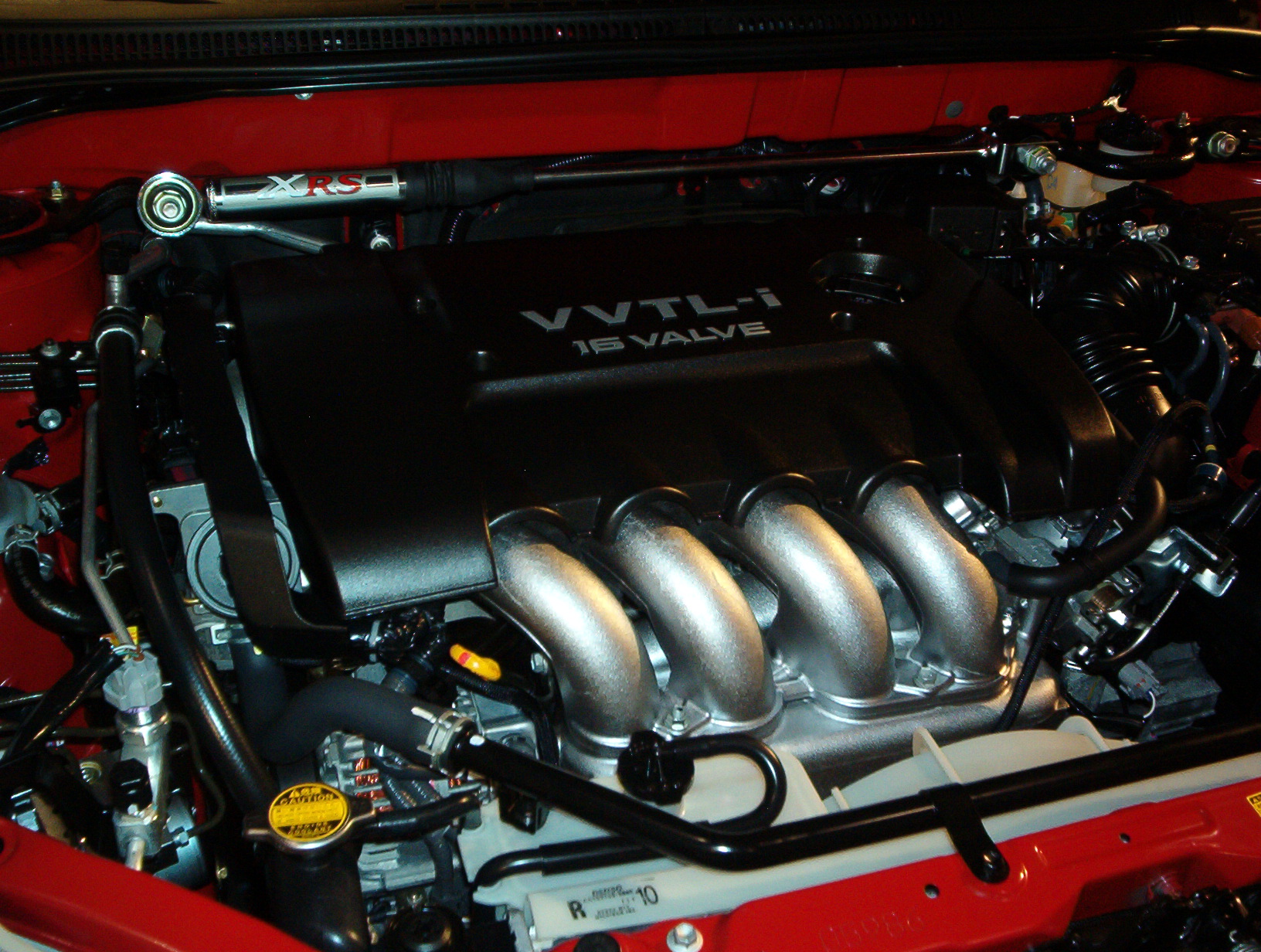
After their short stint with Ford, Yamaha would faithfully return to their main automotive partner, Toyota. This time they would create what is generally considered the spiritual successor to the legendary 4A-GE series, the 2ZZ-GE motor. The ZZ series of engines where mostly built by Toyota themselves, with sensible goals in mind. They were regular car engines, built for efficiency and not for high performance. That all goes out of the window with the 2ZZ motor however. Capable of 8,200 RPM and 190hp out of the box, the all-aluminum 2ZZ-GE had Yamaha apply their usual tuning touches, i.e: cylinder heads, port design and a focus on high rpms. They also worked on the all aluminum DOHC head and even modified Toyota’s VVTL-i system, making it the second variable valve timing system designed by a motorcycle manufacturer after Honda’s VTEC. It also featured an incredible 11.5:1 compression ratio. The 2ZZ was a good enough of an engine to be selected by Lotus to power their second generation Lotus Elise, a car that is generally seen as the gold-standard of a car created purely for driving and nothing else. Some Lotuses(Loti?) such as the 240R even came with a 2ZZ with a supercharger attached, pushing the engine up to 240hp, as did the Toyota Corolla Compressor. My personal favorite application of the 2ZZ-GE however is from the modding community. With the 2ZZ and 1ZZ motor being similar enough where they share engine mounts, MR2 Spyder owners tend to swap out their relatively mundane 1ZZ engines with a drop-in 2ZZ swap, essentially creating an unofficial, direct Elise competitor that Toyota probably couldn’t make because of their deal with Lotus.
Yamaha doesn’t only design and build whole engines for car manufacturers, they also do smaller scale work. For example most of Toyota’s performance engines, in either Lexus or Toyota badging, will have Yamaha designed and built cylinder heads, their specialty like mentioned earlier. Yamaha also does tuning for car companies, but mainly Toyota, with their 3S-GE series being an example of a motor tuned by them.
Perhaps it was because they wanted to brag about having helped cars from companies in all 3 of the main car-making continents, Yamaha also helped develop a 4.4L V8 for Volvo. The aluminum block and head B8444S was used for the rather bland first generation XC90 Volvo but also the slightly more exciting S80 sedan, being the largest displacement option for both cars. Despite the engine sharing a startling amount of similarities with the 3rd generation SHO V8, it is a completely different design. Neither of these are the most exciting road-going application of this Yamaha developed engine however, as it did find itself in an actual super-car. British boutique manufacturer Noble chose the B8444S, except with 2 added Garret turbochargers, as their engine of choice for their 360km/h capable M600 super-car. As a side note, I think Noble is a very underrated car maker, they make some pretty damn cool stuff. Going away from road-going applications, perhaps in a case of quid-pro-quo, Yamaha ended up using the engine, albeit with increased displacement sizes, to power their outboard marine motors, and it is still available to this day in the “XTO Offshore”.
Of course, we can’t really talk about all these co-operations and consultations Yamaha has done for all these different manufacturers, and especially with Toyota, without mentioning what is, in my opinion, the greatest production car ever made. Born out of the desire to re-imagine the Lexus series of cars, and to spearhead the new “F” series of performance variants, Toyota had started the development of a new Supercar as early as 2000. The car itself did not enter production until the prototype proved its mettle in an actual endurance race on the Nürburgring in 2008, and it had been regularly driving around the grueling German track as early as 2003. I’m talking of course about none other than the 2010 Lexus LFA, a car that I would pick in a heartbeat if someone offered me to drive any car that has ever existed. It was Toyota’s attempt to show the world that Japan can make a supercar. Yamaha’s contribution to the project was much more involved than just their regular cylinder head and port exhaust work. Similarly to the 2000GT, Toyota provided the engine and specification, and Yamaha designed the engine around them using their expertise. The end result was a V10, as light as a V8 with dimensions of a V6. The most interesting contribution from Yamaha on this project wasn’t out of the company's Motor division however, but instead the original musical instrument division. By tuning the surge tank on the front of the engine similarly to the body of an acoustic guitar, and by tuning the exhaust note, the end result is the iconic F1-esque V10 howl that the LFA is most popular for. The three tuning forks logo isn’t only for show. A limited production of 500, a Yamaha co-operation, and the creation of a halo car are not the only parts of the LFA story that rhyme with that of the 2000GT. Although the exact figure is uncertain, Toyota definitely did not profit monetarily from the LFA program, with rumors of the entire project losing Toyota millions. This was a known factor before the car even began being sold, but Toyota decided to pursuit it regardless. Just making the perfect car for the love of the game (and staff expertise).

With all these co-operations you would think Yamaha was incapable of making a car by themselves, if you ignore the fact that the 2000GT was built in their own facilities. However, Yamaha did manage to produce a few concept cars by themselves. The OX99-11 was their first concept car, and the one that got the closest to production. Shown in 1992, and powered by Yamaha’s F1 V12 engine, it was their attempt at creating a street legal F1 experience. With three prototypes built, the project was scrapped because it happened around the time Japan’s “lost decade” begun, with the asset price bubble popping, putting Japan in an economic downturn. Their next attempt came much later, in 2013, with the much more humble MOTIV. Using an F1 inspired design process called iStream, developed by the well known Gordon Murray, the idea behind the MOTIV was a small city car capable of accommodating different types of power-plants, from gasoline to hybrid to even electric ones. Following the MOTIV, and also designed using the iStream method, the Sports Ride Concept is somewhat of a return to form for Yamaha’s concept cars roots. Shown in 2015, the Sports Ride Concept was an attempt by Yamaha to create a car that evokes the feeling of riding a motorcycle, and the unity between driver and machine. It is overall a pretty impressive looking car, but I am not so sure about the leg divider on the drivers seat. Perhaps it is there to mimic riding on a motorbike, but it seems a bit uncomfortable to get in and out of when there is a wheel in the way. The last notable Yamaha concept is the 2017 “Cross Hub Concept”. This is Yamaha’s last concept car, and perhaps it is a bit of a sign of them going back to focus on what they’ve already been working on. The Cross Hub looks more like a side by side ATV rather than an actual car, and it was designed with loading dirt bikes on the back. It seems less about making a car and more about making a lifestyle motorbike transport. Still it has McLaren F1 style seating for 3 which I approve of.
After the 2019 Tokyo Motor Show Yamaha expressed they no longer have any plans to work on cars. I think this is referring to them making cars as a company rather than being contracted to do engine or tuning work for other major car manufacturers, or at least I hope so.
Yamaha is a very interesting part of the car world, given that they’re not directly a part of it. Their expertise in making lightweight engines that are capable of high rpm have undoubtedly given us some of the most sought after and praised driving experiences. They also were an important companion to Toyota during an era where they were proving hemselves in the world stage, by creating fun, affordable and reliable cars. I hope that car makers manage to find a way to make Hybrid engines as fun as regular combustion engines, and that Yamaha will be there to consult them, because everyone deserves to experience a Yamaha tuned engine at least once in their lives.